Workforce Analytics

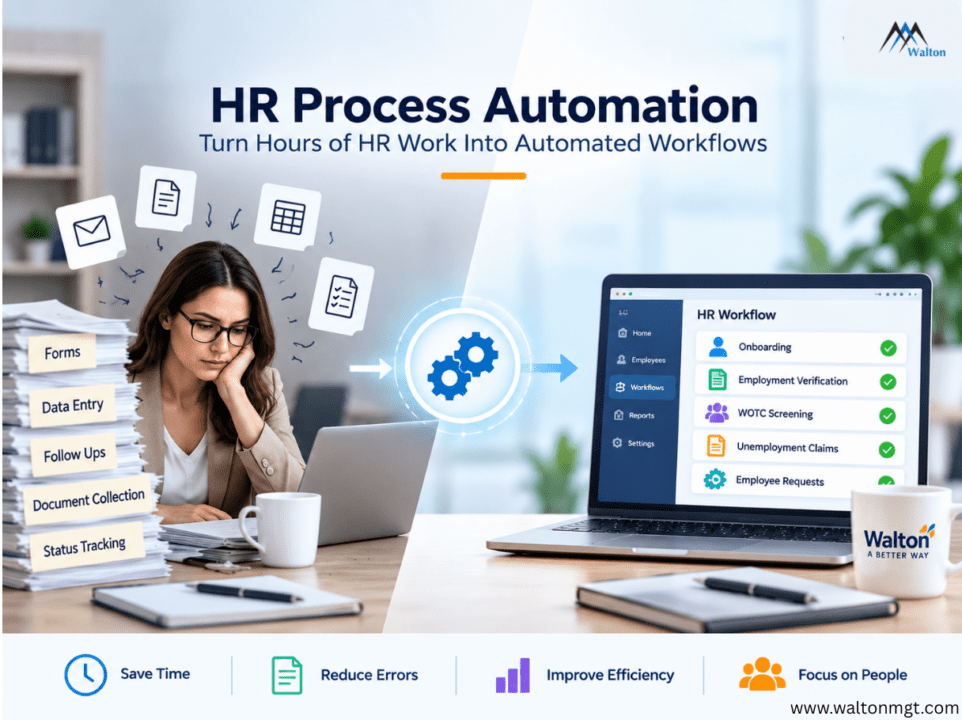
HR process automation turning manual HR tasks into automated workflows

HR Process Automation: How to Turn Hours of HR Administration Into Automated Workflows

HR teams can lose hours to routine work such as checking requests, entering information across systems, sending reminders, collecting documents, and tracking tasks. HR software can automate many of these repetitive processes, connecting tasks into workflows that trigger actions, move information, send notifications, and flag exceptions automatically. Instead of spending time coordinating routine administrative work, […]

HR Process Automation: How to Turn Hours of HR Administration Into Automated Workflows Read More »
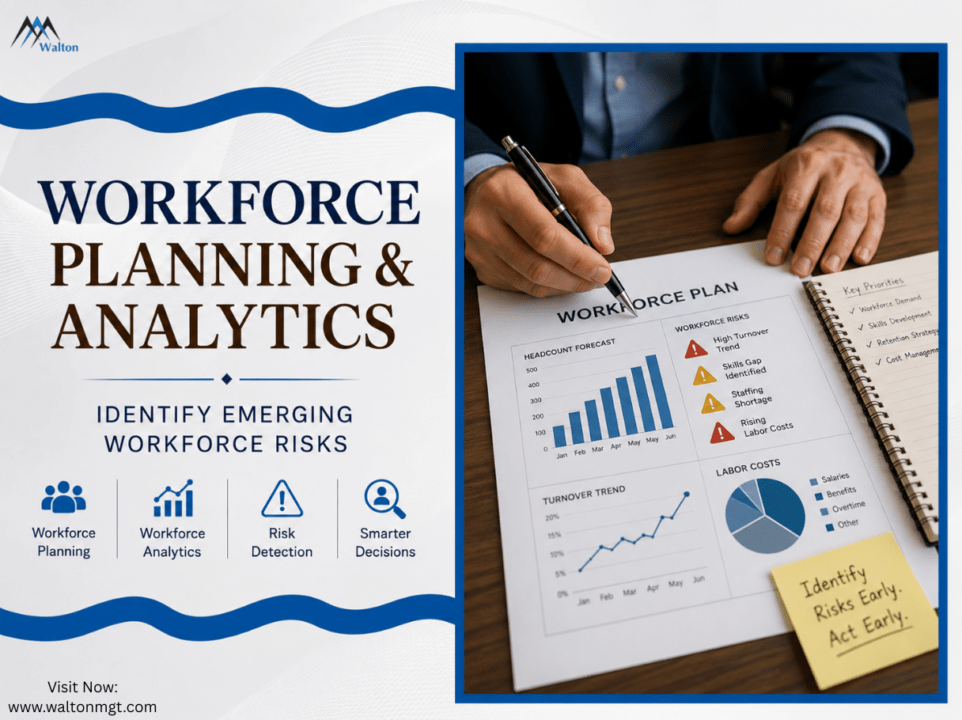
Workforce planning and analytics for identifying emerging workforce risks

How Workforce Planning and Analytics Help Identify Emerging Workforce Risks

Workforce risks often start with small changes, such as rising turnover, staffing shortages, skills gaps, or increasing labor costs. By the time these issues become obvious, they can be costly and disruptive. That’s where workforce planning and analytics can help. Planning looks ahead at future workforce needs, while analytics reveals current trends and warning signs.

How Workforce Planning and Analytics Help Identify Emerging Workforce Risks Read More »

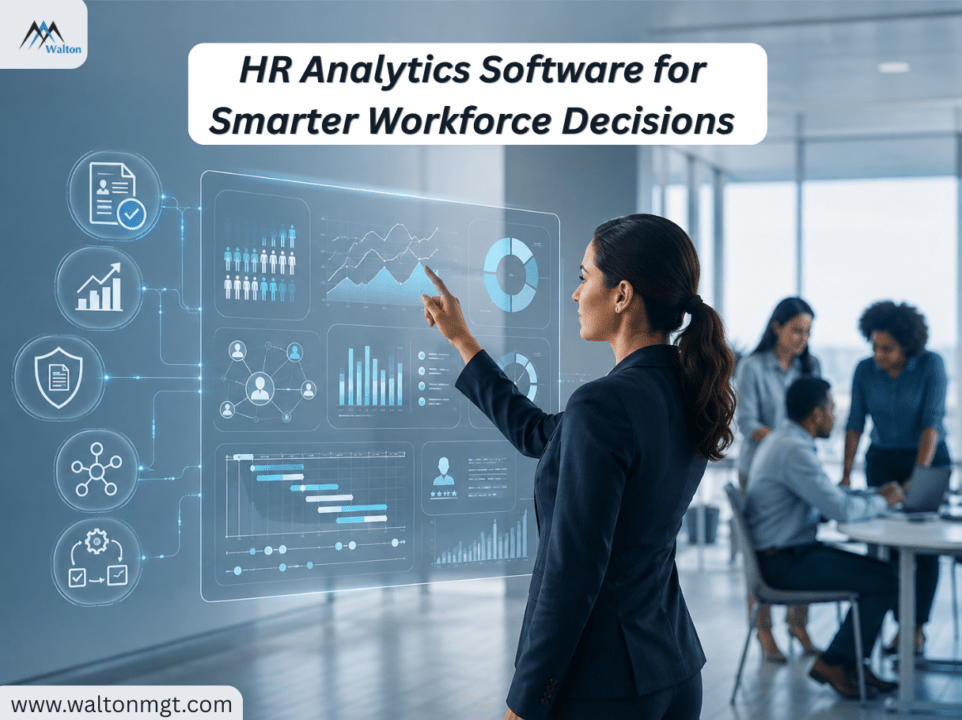
HR manager analyzing workforce analytics dashboard to improve hiring, workforce planning, compliance, and employee performance

How Can HR Analytics Software Help Employers Make Smarter Workforce Decisions?

HR teams are expected to make smarter workforce decisions faster than ever before. From hiring and workforce planning to compliance, employee retention, and labor costs, every decision affects business performance. Yet many organizations still rely on disconnected systems and manual processes that make it difficult to get a complete view of their workforce. Without reliable

How Can HR Analytics Software Help Employers Make Smarter Workforce Decisions? Read More »

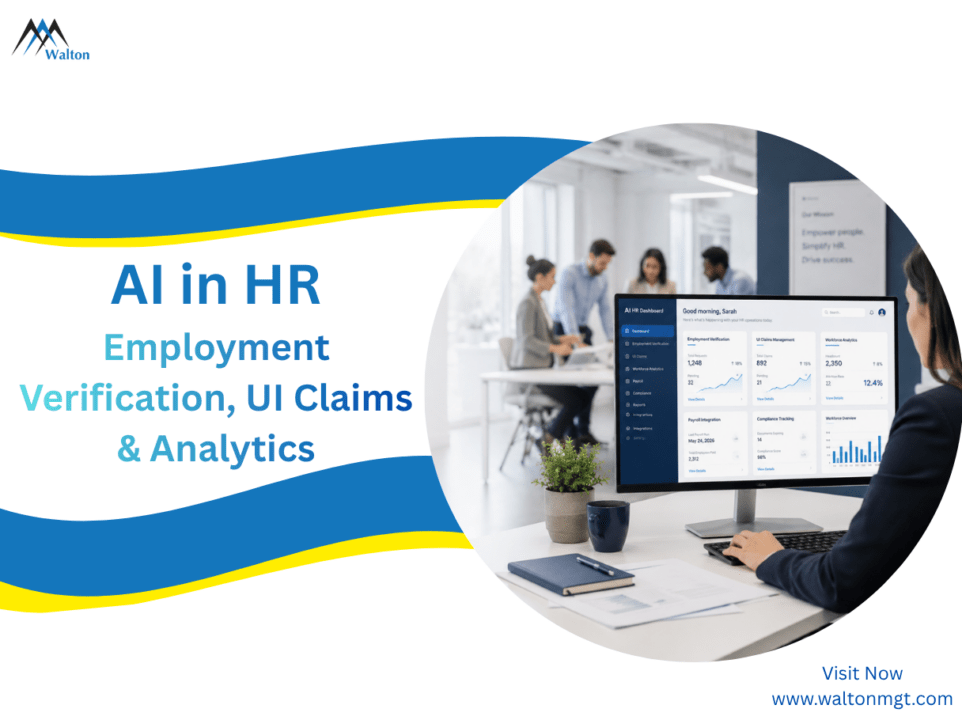
How AI in HR Improves Employment Verification, UI Claims & Workforce Analytics

Human resources is becoming more complex as organizations face growing administrative demands, stricter compliance requirements, and higher expectations for delivering a seamless employee experience. As a result, AI in HR is helping businesses automate routine tasks, improve accuracy, and reduce manual workloads. From processing employment verification requests to managing UI claims and generating actionable workforce

How AI in HR Improves Employment Verification, UI Claims & Workforce Analytics Read More »

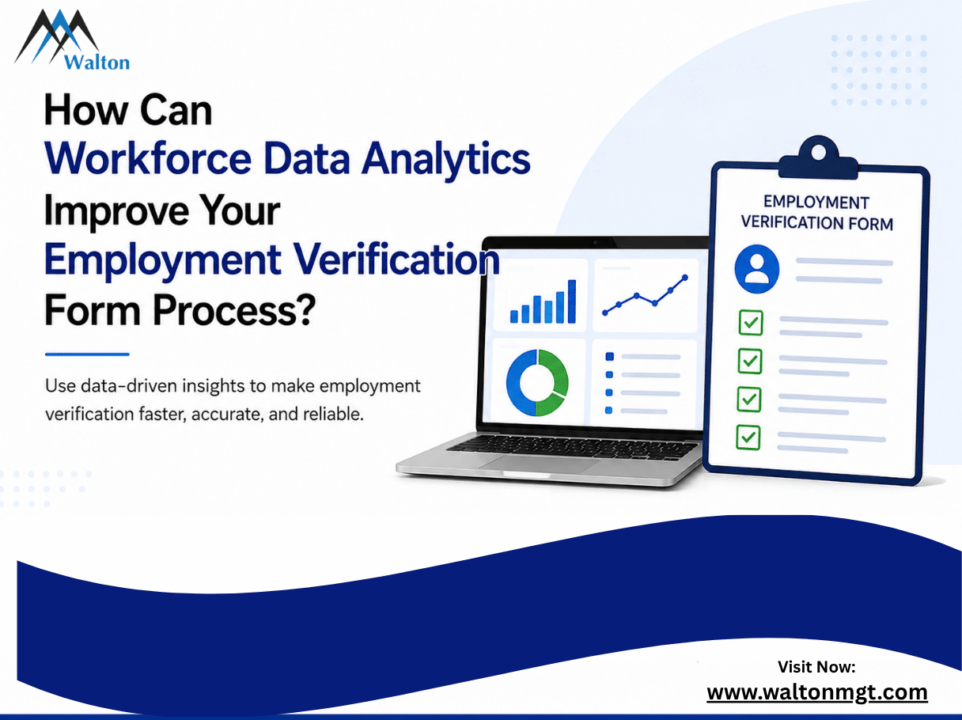
Workforce data analytics improving the employment verification form process with faster responses, improved accuracy, stronger compliance, and better workforce insights

How Can Workforce Data Analytics Improve Your Employment Verification Form Process?

Manual employment verification can be time-consuming, especially when HR teams rely on spreadsheets or disconnected systems to complete an employment verification form. Delays, data entry errors, and inconsistent records can slow the process and increase compliance risks. Workforce data analytics helps organizations streamline the employment verification process by combining workforce data, HR analytics, and HR

How Can Workforce Data Analytics Improve Your Employment Verification Form Process? Read More »

Federal judge's H-1B visa fee ruling and its impact on employer hiring costs and workforce planning in the U.S. job market

The $100,000 H-1B Visa Fee Was Just Blocked. What Happens Next for Employers?

Hiring skilled talent has never been cheap, but the proposed $100,000 H-1B visa fee would have taken employer hiring costs to a completely different level. That’s why many businesses were paying close attention when a federal judge blocked the fee from moving forward. The federal judge’s decision prevents employers from having to pay a proposed

The $100,000 H-1B Visa Fee Was Just Blocked. What Happens Next for Employers? Read More »

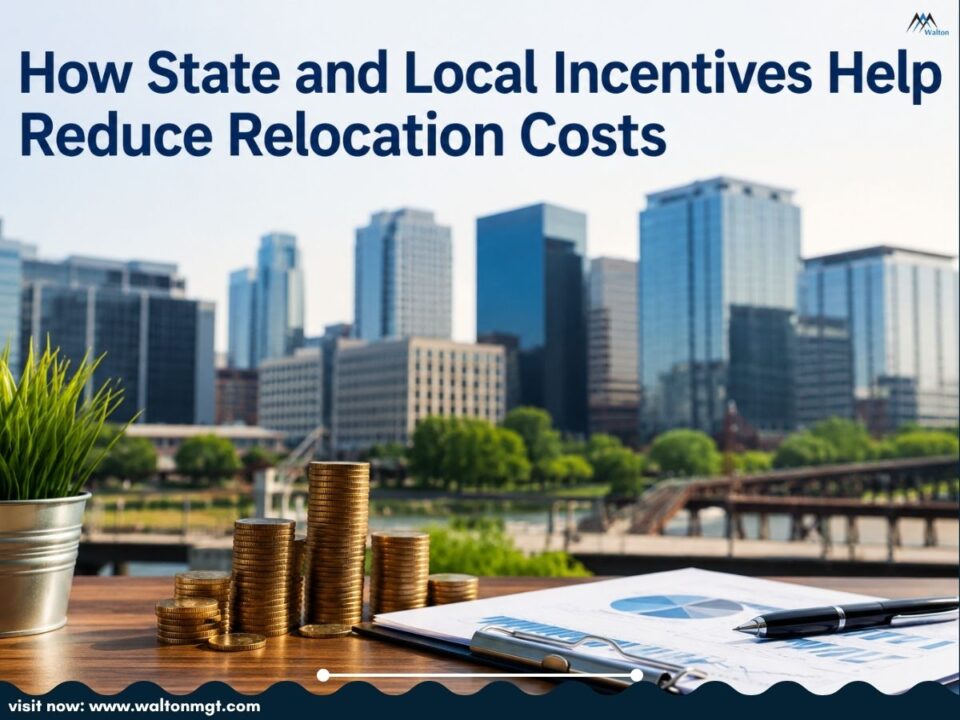
Corporate relocation cost reduction concept featuring financial charts, stacked coins, business planning documents, and a modern business district representing state and local incentive programs for relocating companies.

How State and Local Incentives Can Make Corporate Relocations More Affordable

Relocating a business is a major investment, whether a company is expanding into new markets, opening a new facility, or moving its headquarters. Costs related to real estate, workforce recruitment, infrastructure, and operations can quickly add up, making affordability a key consideration during the decision-making process. To attract new employers and support economic development, many

How State and Local Incentives Can Make Corporate Relocations More Affordable Read More »

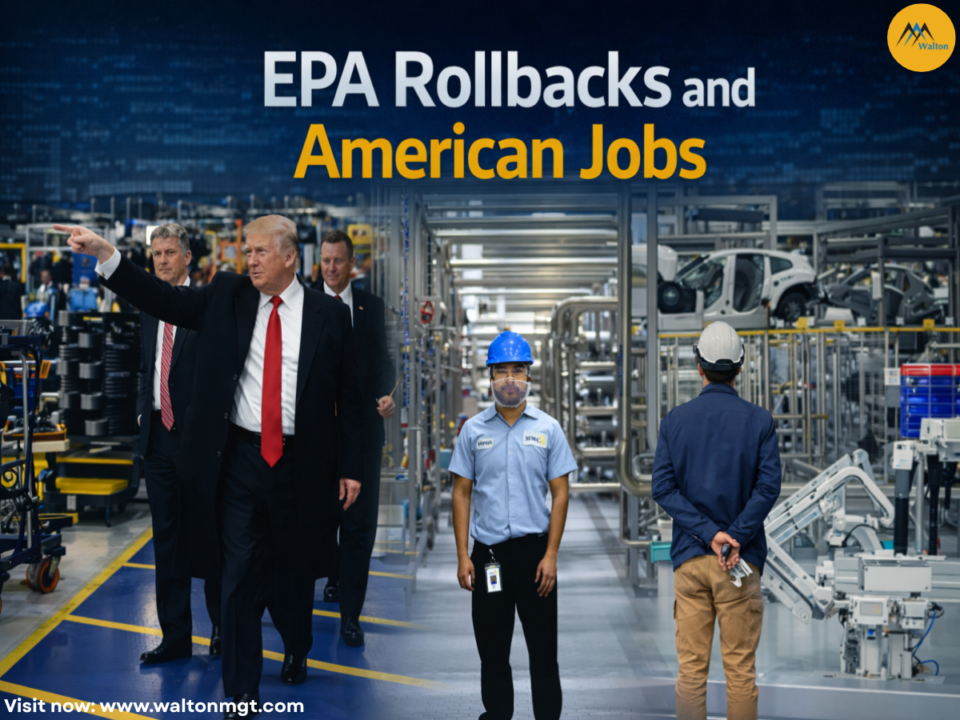
American workforce affected by Environmental Protection Agency (EPA) policy changes and regulatory uncertainty

How Trump’s War on the EPA Impacted Jobs and Unemployment Insurance Claims

Let’s talk about this in plain terms. When people ask whether Trump’s war on the Environmental Protection Agency (EPA) killed American jobs, they usually expect a simple answer. It sounds like it should be easy. Fewer rules should mean more jobs, right? Sometimes, in the short run, that’s exactly how it feels. During the Trump

How Trump’s War on the EPA Impacted Jobs and Unemployment Insurance Claims Read More »

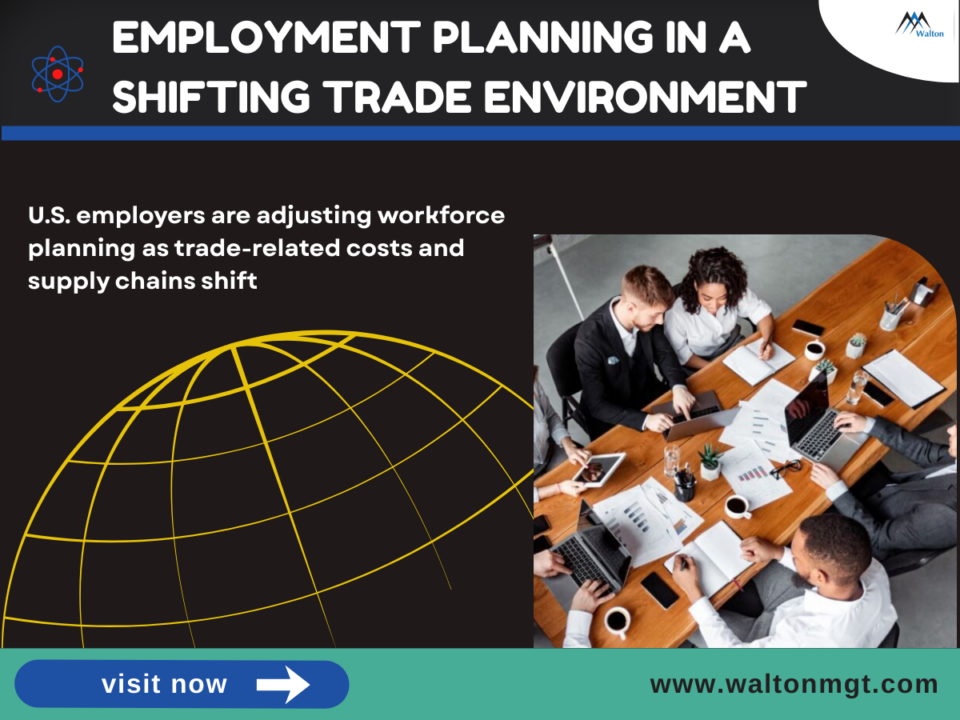
U.S. employers adjusting workforce planning as trade-related costs and supply chains shift

How Higher Tariffs on Europe Affect Jobs and Employment in the United States

Higher tariffs on European goods tend to sound like a distant policy move, something handled in trade talks rather than inside everyday business operations. But once those tariffs take effect, they begin to show up in places employers recognize quickly. Costs shift. Supply chains adjust. Hiring plans slow or change direction. What starts as a

How Higher Tariffs on Europe Affect Jobs and Employment in the United States Read More »

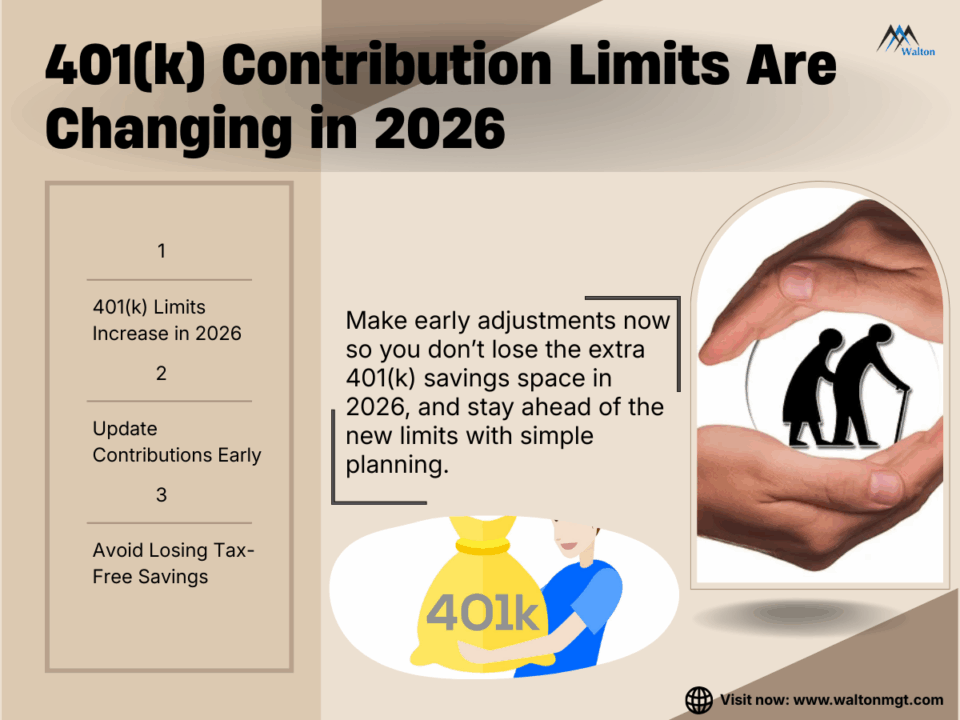
401(k)-Contribution-Limits-Are-Changing-in-2026

401(k) Contribution Limits Are Changing in 2026: What Savers Need to Do Now to Avoid Losing Money

You know how the rules sometimes shift quietly in the background, and most people don’t notice until the year is already half over? That’s exactly what’s happening with the 401(k) in 2026. A 401(k) is a workplace retirement plan that lets employees save money from their paycheck before taxes. Many employers also match part of

401(k) Contribution Limits Are Changing in 2026: What Savers Need to Do Now to Avoid Losing Money Read More »

Scroll to Top
Contact Us 🔗