
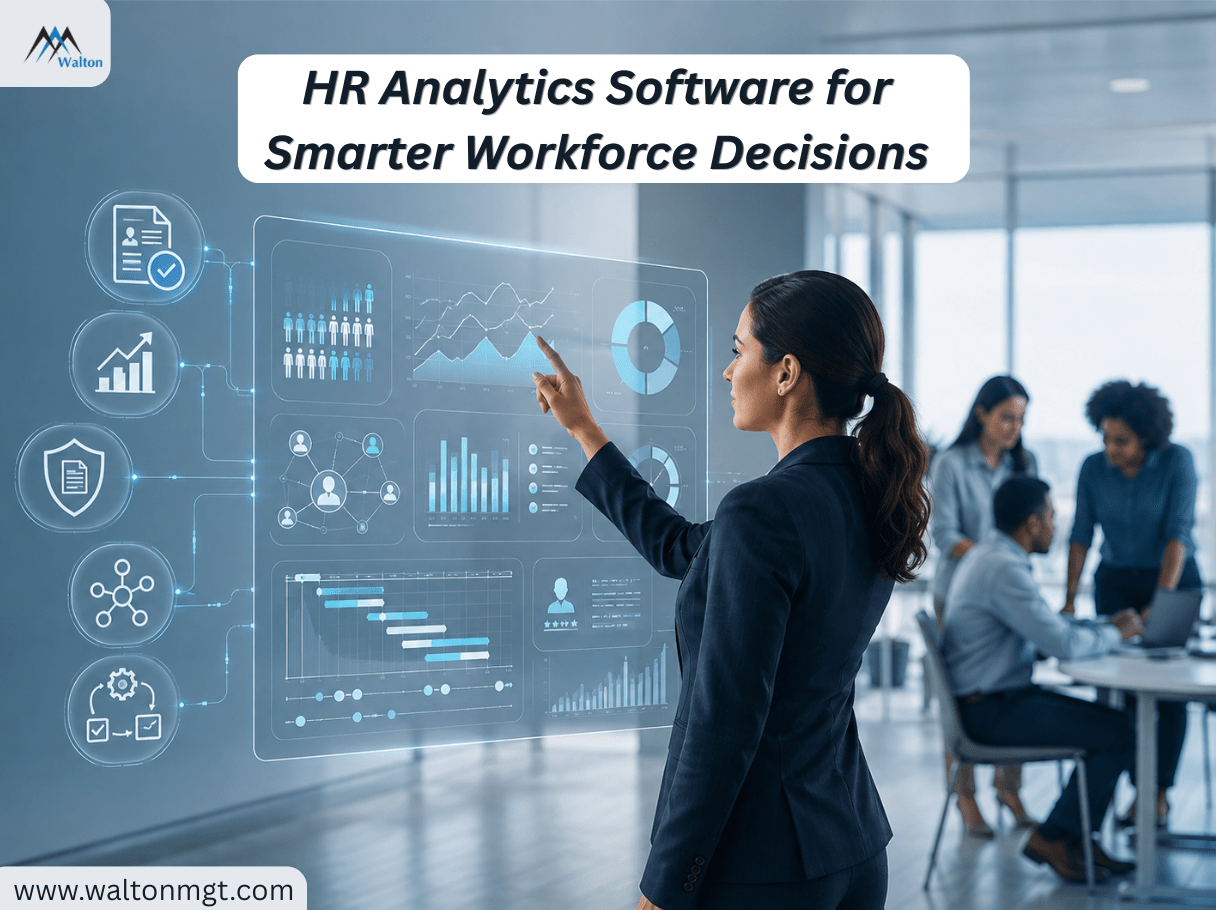
HR teams are expected to make smarter workforce decisions faster than ever before. From hiring and workforce planning to compliance, employee retention, and labor costs, every decision affects business performance. Yet many organizations still rely on disconnected systems and manual processes that make it difficult to get a complete view of their workforce. Without reliable data, even routine HR decisions can become slow, inconsistent, and reactive.
HR analytics software helps employers turn workforce data into meaningful insights that support confident, data-driven decisions. When combined with modern HR solutions like workforce analytics, employment verification, hiring incentives such as the Work Opportunity Tax Credit (WOTC), and federal unemployment claims and state unemployment claims management, it provides a more connected approach to managing the workforce. In this article, we’ll explore how HR analytics software helps employers improve planning, strengthen hiring strategies, simplify compliance, and make smarter workforce decisions.
Why Is HR Analytics Software Essential for Smarter Workforce Decisions?
Instead of spending hours gathering information from multiple systems, HR teams can use a centralized platform to monitor hiring trends, employee performance, workforce planning, labor costs, and compliance in one place. This broader view helps employers identify patterns, respond to challenges sooner, and allocate resources more effectively. HR analytics software brings together workforce data from different HR functions and turns it into clear, actionable insights that support better business decisions.
Modern HR analytics software also reduces repetitive administrative work through automation. Tasks such as generating reports, tracking workforce metrics, and monitoring compliance can be completed more efficiently, giving HR professionals more time to focus on strategic initiatives instead of manual processes.
The real value, however, goes beyond reporting. HR analytics software works best when it’s paired with workforce analytics and integrated HR solutions that connect hiring, employment verification, compliance, and workforce management. Together, they provide the visibility employers need to make smarter workforce decisions with greater confidence.
How Does Workforce Analytics Help Employers Make Better Decisions?
Having access to workforce data is valuable, but the real advantage comes from understanding what that data is telling you. Workforce analytics helps employers move beyond basic reports by identifying trends, uncovering patterns, and providing insights that support smarter decisions across the entire employee lifecycle. Instead of reacting to workforce challenges after they happen, employers can anticipate issues and plan with greater confidence.
For example, workforce analytics can reveal whether a department is consistently understaffed, why turnover is increasing, or how labor costs are changing over time. These insights help HR leaders make informed decisions about staffing, budgeting, employee development, and long-term workforce planning while aligning HR strategies with business goals. To learn more about how workforce analytics is transforming modern HR strategies, explore our guide on the future of workforce analytics in HR solutions.
HR Function | Analytics Insight | Business Outcome |
Workforce Planning | Staffing forecasts and labor trends | Better workforce planning |
Recruiting | Hiring performance and tax credit opportunities | Smarter hiring decisions |
Employment Verification | Verification workflow tracking | Faster response times |
Unemployment Claims | Claim trends and risk analysis | Lower administrative costs |
Employee Performance | Productivity and retention insights | Stronger workforce management |
Compliance | Reporting and documentation | Reduced compliance risk |
When employers have this level of visibility, they’re no longer making decisions based on assumptions or incomplete information. Workforce analytics helps HR teams spot opportunities earlier, address potential challenges before they grow, and build a workforce strategy that supports long-term business success.
How Can HR Analytics Software Improve Hiring and Talent Decisions?
Hiring the right people has always been one of the biggest challenges for employers. Without reliable data, it’s difficult to know which recruiting channels deliver the best candidates, how long it takes to fill critical roles, or where hiring bottlenecks are slowing the process. HR analytics software brings these insights together, helping employers make hiring decisions based on measurable outcomes rather than assumptions.
One area where integrated HR technology adds even more value is the Work Opportunity Tax Credit (WOTC). By incorporating WOTC screening into the hiring process, employers can quickly identify eligible candidates and capture available federal hiring tax credits without creating extra administrative work. Instead of treating tax credit eligibility as a separate task, it becomes part of a streamlined hiring workflow supported by accurate workforce data.
When hiring analytics and WOTC work together, employers can:
- Identify recruiting trends that improve hiring decisions
- Reduce time spent on manual candidate screening
- Capture eligible hiring tax credits more efficiently
- Support accurate documentation and compliance
- Improve hiring return on investment through data-driven insights
The result is a hiring process that’s not only faster and more efficient but also more strategic. Rather than simply filling open positions, employers can make talent decisions that strengthen their workforce today while supporting future business growth.
How Can HR Analytics Software Strengthen Compliance and HR Operations?
Compliance is a critical part of workforce management, but it often involves repetitive administrative tasks that consume valuable time and resources. From responding to employment verification requests to managing unemployment claims, HR teams are expected to maintain accurate records while meeting strict deadlines. HR analytics software helps simplify these responsibilities by bringing workforce data together, improving visibility, and reducing manual processes.
One example is Verification of Employment (VOE). Employment verification requests can quickly pile up, especially for larger organizations. With an integrated HR platform, employers can automate much of the verification process, improve response times, maintain accurate employee records, and reduce paperwork. This not only saves time for HR teams but also creates a better experience for employees and third parties requesting employment information.
The same approach applies to UI Claims Management. Tracking unemployment claims, monitoring claim trends, and maintaining proper documentation become much easier when workforce data is centralized. Instead of reacting to claims as they arise, HR teams can identify recurring patterns, improve reporting accuracy, support unemployment tax planning, and reduce unnecessary claim-related costs.
By combining compliance data with workforce analytics, employers gain a clearer understanding of operational risks and workforce trends. Rather than treating employment verification and unemployment claims as isolated administrative tasks, they become valuable sources of insight that help HR leaders strengthen compliance, improve efficiency, and make more informed workforce decisions.
Why Do Integrated HR Solutions Deliver Better Workforce Insights?
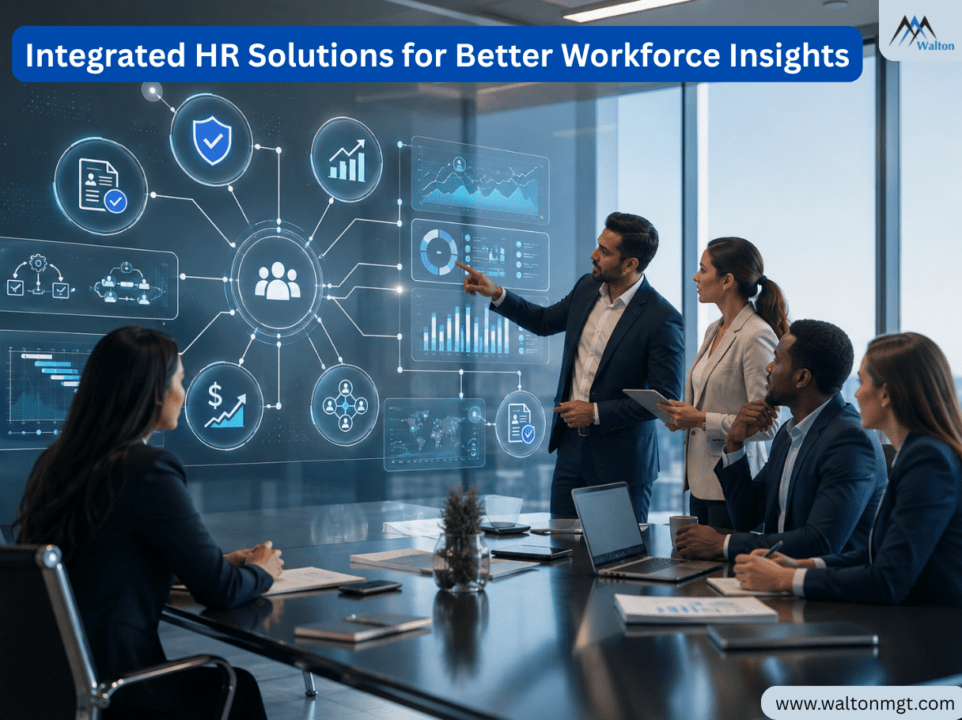
Many organizations use separate tools for recruiting, workforce planning, employment verification, unemployment claims, and reporting. While each system may perform its own function well, disconnected platforms often create data silos that make it difficult to see how different HR activities affect one another. As a result, HR teams spend more time switching between systems, compiling reports, and reconciling data instead of focusing on strategic workforce initiatives.
Integrated HR solutions solve this challenge by bringing workforce data into a single, connected platform. Instead of viewing hiring, compliance, workforce planning, and employee performance as separate processes, employers can see how they’re connected. This unified approach provides more accurate reporting, stronger workforce visibility, and better insights that support informed decision-making across the organization.
Some of the biggest advantages of an integrated HR platform include:
- A centralized view of workforce data
- More accurate and consistent reporting
- Less manual data entry and duplicate work
- Better collaboration across HR functions
- Faster access to workforce insights
- Stronger compliance and audit readiness
- Improved workforce planning and forecasting
- More confident, data-driven workforce decisions
When every part of the HR process works together, employers spend less time managing disconnected information and more time acting on meaningful insights. That shift allows HR teams to move beyond day-to-day administration and play a more strategic role in supporting business growth.
What Should Employers Look for in HR Analytics Software?
Not all HR analytics software offers the same value. Some platforms simply generate reports, while others provide the insights and automation needed to support smarter workforce decisions. The right solution should help employers understand what’s happening across their workforce, identify trends early, and make it easier to respond with confidence.
When evaluating HR analytics software, look beyond basic reporting and consider how well the platform supports your broader HR strategy. Features that connect workforce data across multiple HR functions can improve visibility, reduce administrative work, and create a more efficient employee experience.
The metrics your HR analytics software tracks are just as important as the features it offers. Monitoring the right workforce indicators helps employers spot trends early, measure the impact of HR initiatives, and make more informed decisions over time.
Workforce Metric | Why It Matters |
Employee Turnover | Reveals retention challenges and workforce stability |
Time-to-Hire | Measures recruiting efficiency |
Hiring Incentive Eligibility | Identifies potential tax credit opportunities |
Employment Verification Requests | Helps manage verification workloads |
Unemployment Claims | Highlights recurring claim patterns |
Labor Costs | Supports budgeting and workforce planning |
Employee Productivity | Measures operational performance |
Absenteeism | Improves scheduling and resource planning |
Internal Promotions | Evaluates talent development efforts |
Compliance Performance | Supports reporting accuracy and audit readiness |
Tracking these metrics consistently helps employers make proactive decisions rather than reacting to workforce challenges after they’ve already affected the business. Over time, these insights become the foundation for stronger planning, better resource allocation, and continuous workforce improvement.
How Can Integrated HR Solutions Support Smarter Workforce Decisions?
When HR systems work together, every workforce decision becomes more informed. Hiring data can be analyzed alongside employee performance, workforce planning can be supported by accurate labor trends, and compliance activities can be managed without constantly switching between applications. This connected approach not only improves efficiency but also helps HR teams respond more quickly to changing business needs.
An integrated HR platform can help employers:
- View workforce data from a single source
- Improve hiring and workforce planning decisions
- Streamline employment verification processes
- Simplify unemployment claims management
- Strengthen compliance and reporting accuracy
- Reduce manual administrative work
- Gain real-time workforce insights for faster decision-making
Many organizations are adopting platforms that combine these capabilities into one solution instead of relying on separate HR tools. For example, Walton’s integrated HR platform brings together workforce analytics, WOTC screening, employment verification (VOE), and UI claims management to help employers improve visibility across the employee lifecycle while reducing administrative complexity. Rather than replacing existing HR processes, this integrated approach helps organizations connect their workforce data and turn it into actionable insights that support smarter business decisions.
Conclusion
Smarter workforce decisions begin with better insights. HR analytics software helps employers move beyond basic reporting by transforming workforce data into actionable information that supports hiring, workforce planning, compliance, and long-term business goals. When combined with capabilities like workforce analytics, WOTC, employment verification (VOE), and UI claims management, organizations gain a connected view of their workforce that improves efficiency, reduces administrative work, and enables more confident decision-making.
As workforce demands continue to evolve, adopting an integrated HR solution can help organizations stay agile and make informed decisions with greater confidence. If you’re ready to simplify workforce management and gain deeper visibility into your HR operations, explore Walton’s integrated HR solutions to discover how connected workforce analytics can support smarter workforce decisions and sustainable business growth.
Frequently Asked Questions
HR analytics software collects, organizes, and analyzes workforce data to help employers make informed decisions about hiring, workforce planning, employee performance, compliance, and overall HR strategy.
Workforce analytics helps employers identify staffing trends, forecast future workforce needs, monitor productivity, and analyze turnover patterns. These insights make it easier to allocate resources effectively and plan for future business growth.
The Work Opportunity Tax Credit (WOTC) helps employers identify eligible candidates for federal hiring tax credits. When integrated into the hiring process, it can reduce hiring costs, simplify eligibility screening, and support more strategic recruiting decisions.
Verification of Employment (VOE) confirms an employee's job and income information for lenders, landlords, government agencies, and other authorized parties. Automating this process improves accuracy, reduces administrative work, and provides faster response times.
Effective unemployment claims management helps employers maintain accurate documentation, respond to claims promptly, identify recurring claim trends, and support compliance with unemployment regulations. This can reduce unnecessary costs while improving overall HR efficiency.