HR software

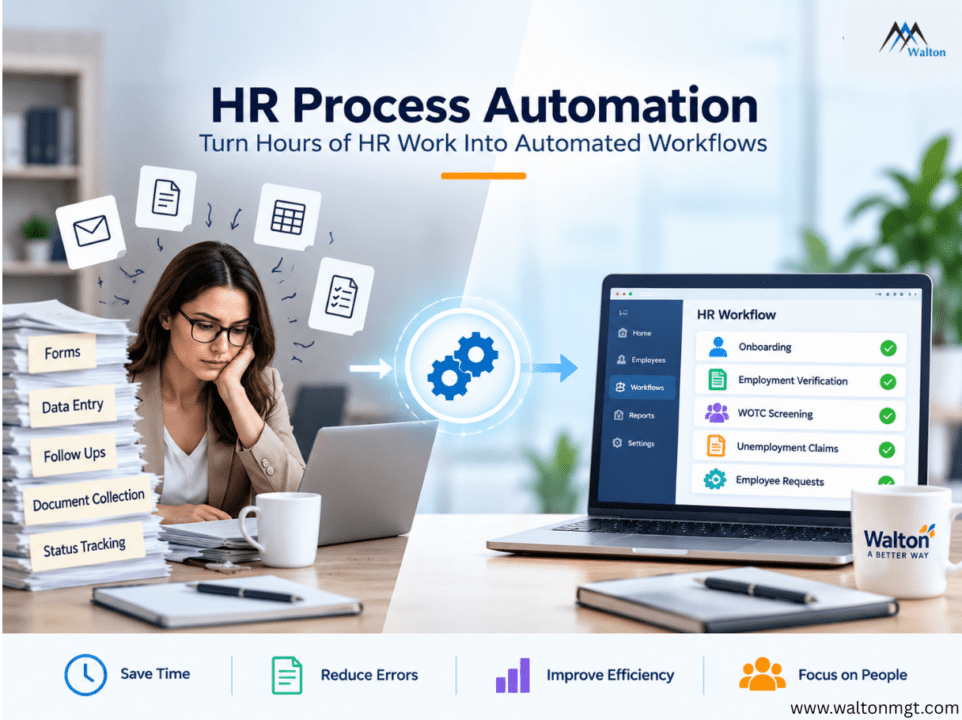
HR process automation turning manual HR tasks into automated workflows

HR Process Automation: How to Turn Hours of HR Administration Into Automated Workflows

HR teams can lose hours to routine work such as checking requests, entering information across systems, sending reminders, collecting documents, and tracking tasks. HR software can automate many of these repetitive processes, connecting tasks into workflows that trigger actions, move information, send notifications, and flag exceptions automatically. Instead of spending time coordinating routine administrative work,

HR Process Automation: How to Turn Hours of HR Administration Into Automated Workflows Read More »
Workforce planning and analytics for identifying emerging workforce risks

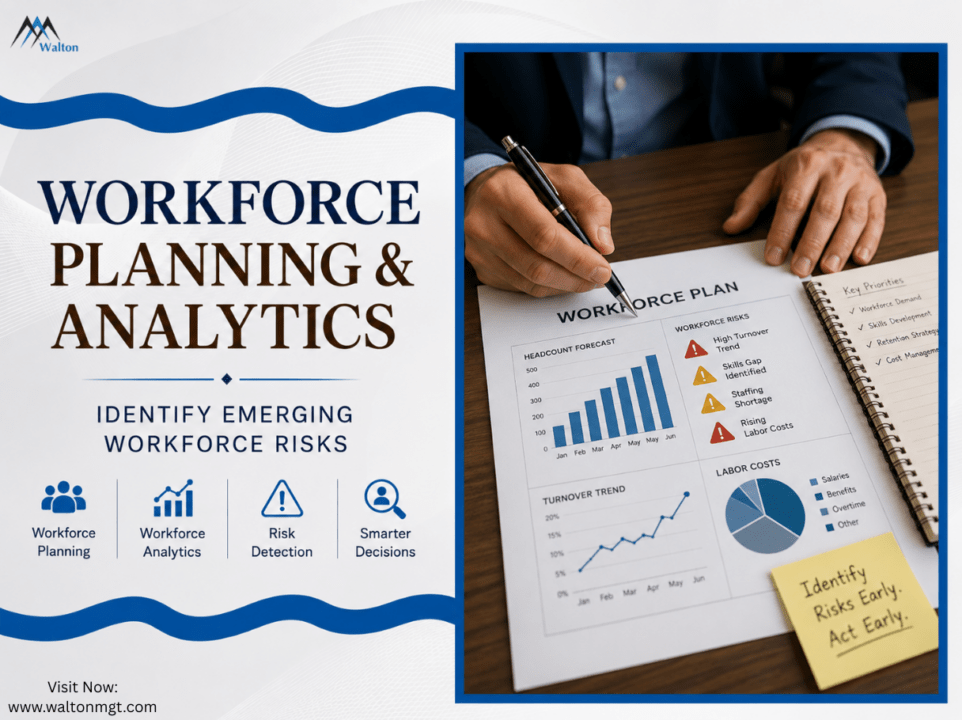
How Workforce Planning and Analytics Help Identify Emerging Workforce Risks

Workforce risks often start with small changes, such as rising turnover, staffing shortages, skills gaps, or increasing labor costs. By the time these issues become obvious, they can be costly and disruptive. That’s where workforce planning and analytics can help. Planning looks ahead at future workforce needs, while analytics reveals current trends and warning signs.

How Workforce Planning and Analytics Help Identify Emerging Workforce Risks Read More »

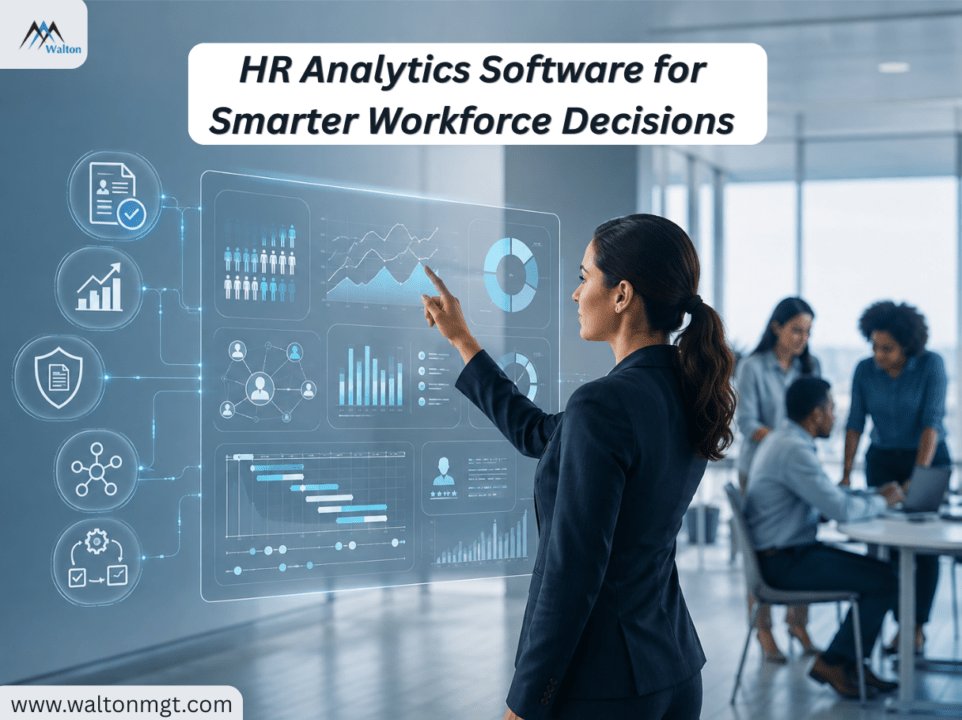
HR manager analyzing workforce analytics dashboard to improve hiring, workforce planning, compliance, and employee performance

How Can HR Analytics Software Help Employers Make Smarter Workforce Decisions?

HR teams are expected to make smarter workforce decisions faster than ever before. From hiring and workforce planning to compliance, employee retention, and labor costs, every decision affects business performance. Yet many organizations still rely on disconnected systems and manual processes that make it difficult to get a complete view of their workforce. Without reliable

How Can HR Analytics Software Help Employers Make Smarter Workforce Decisions? Read More »

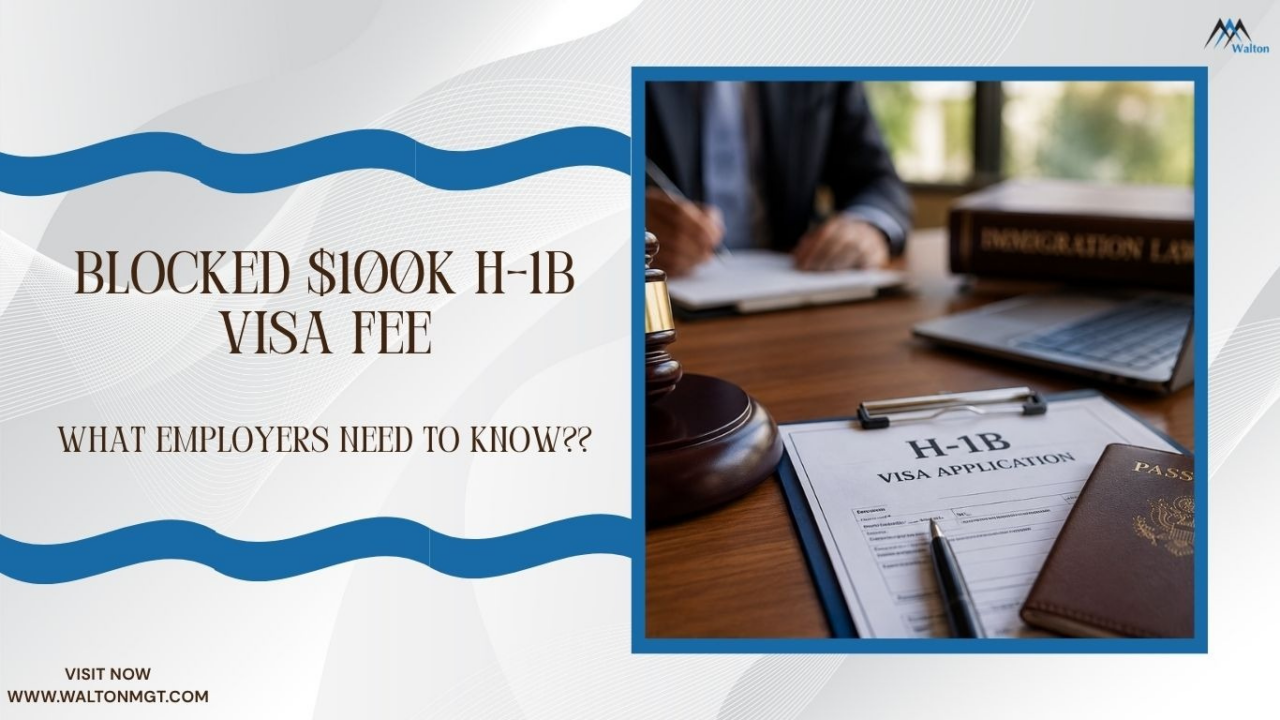
Federal judge's H-1B visa fee ruling and its impact on employer hiring costs and workforce planning in the U.S. job market

The $100,000 H-1B Visa Fee Was Just Blocked. What Happens Next for Employers?

Hiring skilled talent has never been cheap, but the proposed $100,000 H-1B visa fee would have taken employer hiring costs to a completely different level. That’s why many businesses were paying close attention when a federal judge blocked the fee from moving forward. The federal judge’s decision prevents employers from having to pay a proposed

The $100,000 H-1B Visa Fee Was Just Blocked. What Happens Next for Employers? Read More »

Smarter-Incentives-The-Future-of-Workforce-Analytics-in-HR-solution-1-scaled.

Smarter Incentives: The Future of Workforce Analytics in HR Solution

Workforce analytics is becoming central to every HR decision, guiding strategies from hiring to retention. Incentive programs such as the Work Opportunity Tax Credit (WOTC), location-based incentives, and UI (Unemployment Insurance) cost control are being transformed into powerful strategic tools. Automated processes, including Verification of Employment (VOE) workflows, ensure accuracy and compliance while connecting analytics,

Smarter Incentives: The Future of Workforce Analytics in HR Solution Read More »

HR guidance on transitioning from manual VOE to a centralized, secure system for compliance, efficiency, and better employee experience.

When Is It Time to Transition From Manual VOE to a Centralized, Secure System?

Introduction Employment verification, or Verification of Employment (VOE), is a vital yet often overlooked part of HR operations. From mortgages to background checks, employees rely on us to provide timely and accurate data. Manual methods like emails or phone calls slow the process, create compliance risks, and expose sensitive information to security threats. Automated verification

When Is It Time to Transition From Manual VOE to a Centralized, Secure System? Read More »

Digital I-9 and Employment Verification What Employers Need to Know

Digital I-9 and Employment Verification: What Employers Need to Know

In today’s digital era, ensuring compliance with verification of employment requirements is crucial for U.S. employers. The Form I-9, mandated by the U.S. Citizenship and Immigration Services (USCIS), verifies the identity and employment authorization of individuals hired for employment in the United States. With the shift towards remote work and digital processes, understanding how digital

Digital I-9 and Employment Verification: What Employers Need to Know Read More »

Simplifying Tax Credit Calculations with Integrated HR Solutions

Simplifying Tax Credit Calculations with Integrated HR Solutions

Introduction Managing tax credits is a valuable yet often underutilized financial opportunity for many businesses in the U.S. These incentives offered by federal and state governments are designed to encourage employment growth, support workforce diversity, and reduce tax burdens. However, navigating the complex landscape of tax credit programs can be tedious, especially when done manually.

Simplifying Tax Credit Calculations with Integrated HR Solutions Read More »

Workforce Analytics Software vs. Traditional HR Solutions

Workforce Analytics Software vs. Traditional HR Solutions: What’s the Difference?

Introduction   Organizations continuously seek to improve productivity, employee engagement, and operational efficiency. A significant transformation in recent years is the transition from traditional HR solutions to workforce analytics software. This article examines the fundamental differences between these approaches, their impact on business operations, and the increasing adoption of data-driven strategies for workforce optimization. What

Workforce Analytics Software vs. Traditional HR Solutions: What’s the Difference? Read More »

BEST HR Management System for verification of employment

What Is the Best HR Management System for Automating Employment Verification?

Why Do Employers Need Automated Employment Verification? Verification of employment is a critical process in hiring, financial transactions, and regulatory compliance. Employers, lenders, and government agencies require verified employment data to ensure accurate records. However, traditional Verification of Employment (VOE) methods involve time-consuming paperwork, communication delays, and the risk of human errors. HR teams manually

What Is the Best HR Management System for Automating Employment Verification? Read More »

Scroll to Top
Contact Us 🔗